Panellists
Click on each headshot to learn more about the individual speakers.





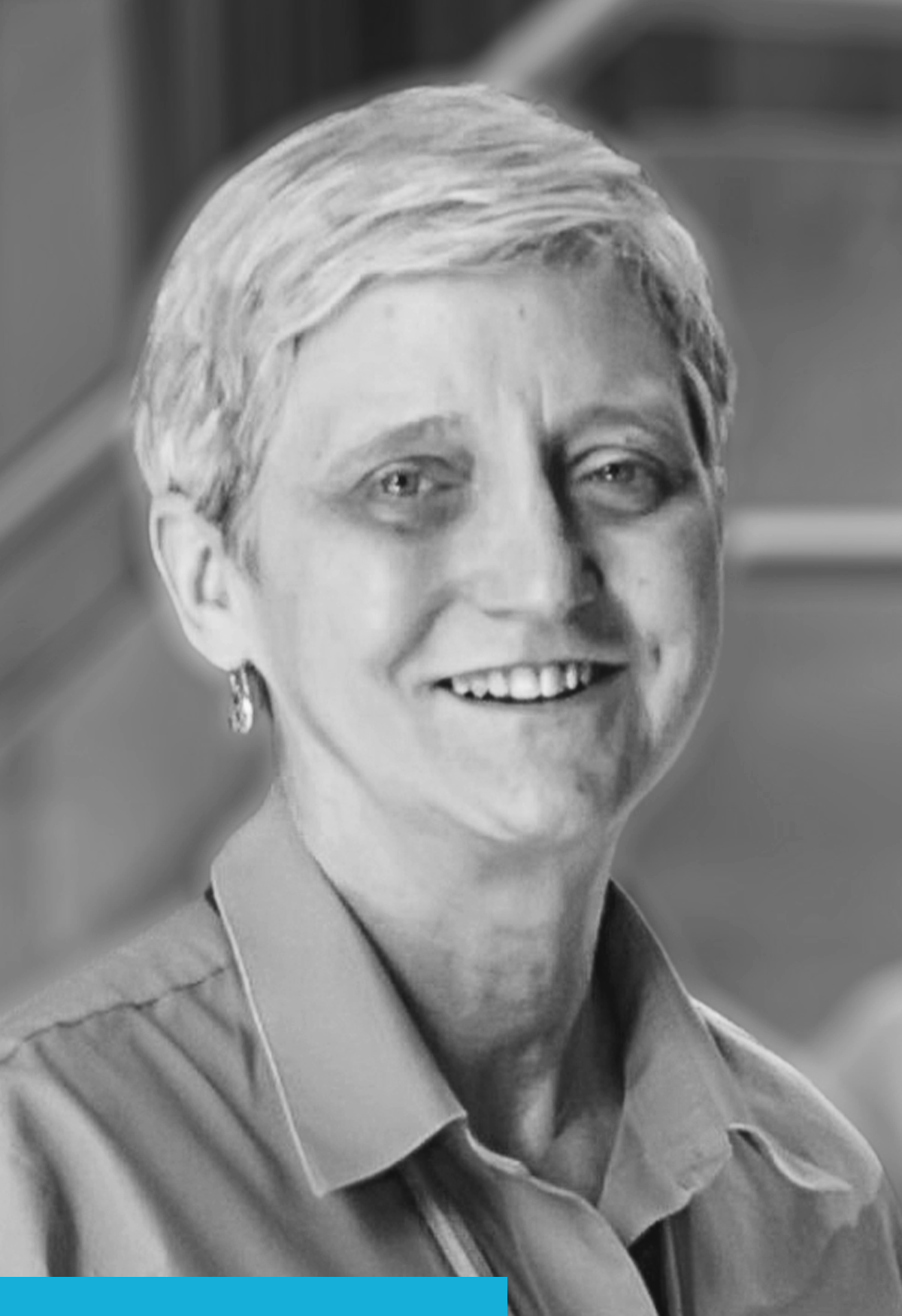

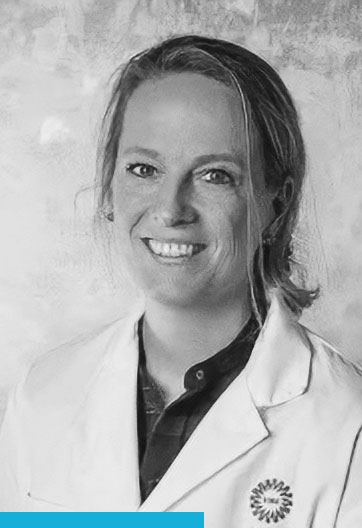
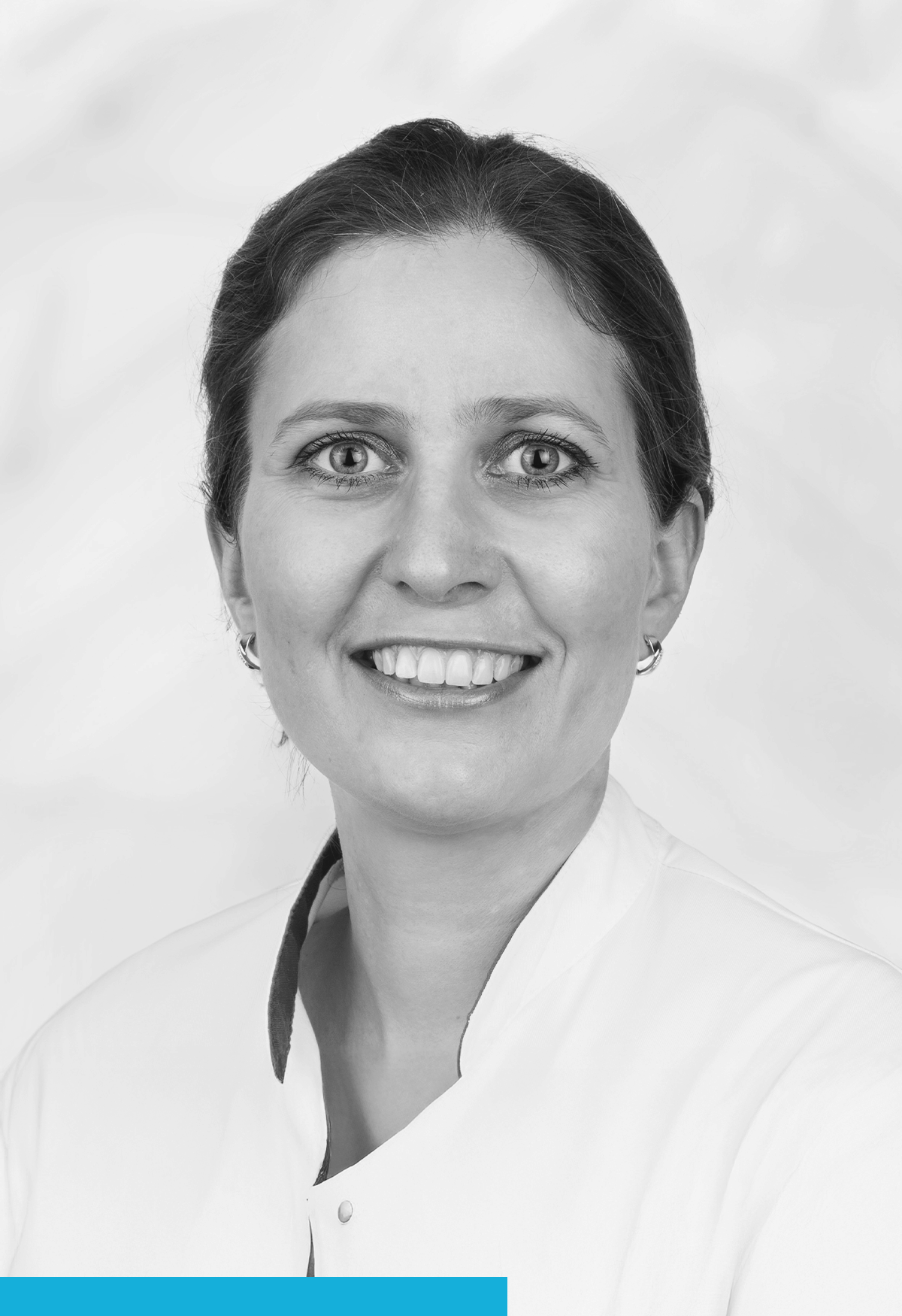
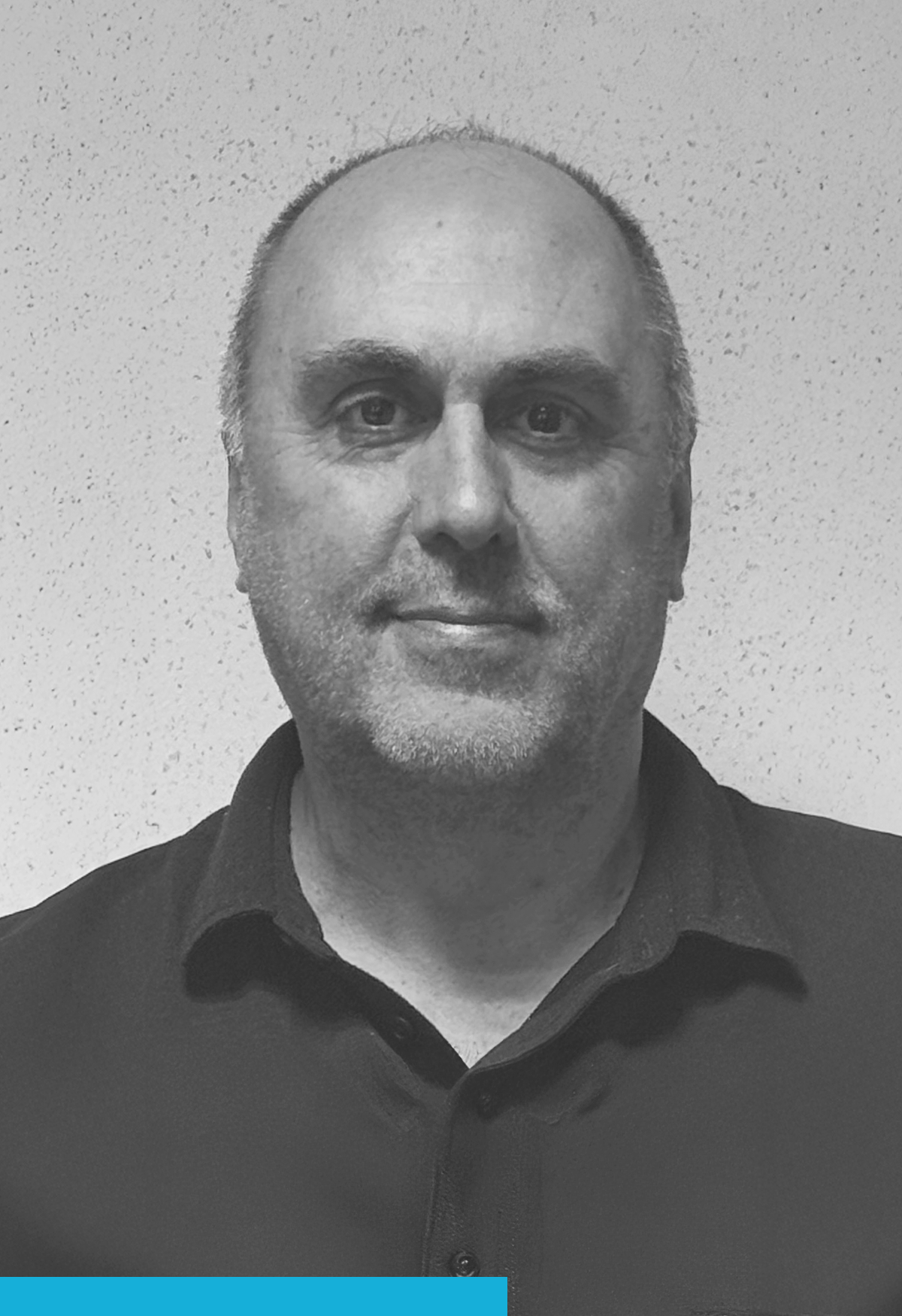
Federica Agosta is an Associate Professor of Neurology at Vita-Salute San Raffaele University and Group Leader of the Neuroimaging of Neurodegenerative Diseases Unit at the Institute of Experimental Neurology, Division of Neuroscience, Ospedale San Raffaele, Milano, where she conducts clinical activity and research in patients with neurodegenerative conditions.
F. Agosta has a broad background in clinical neurology and neuroimaging, with specific training and expertise in MRI in neurodegenerative diseases including Alzheimer’s disease, frontotemporal dementia, primary progressive aphasia and amyotrophic lateral sclerosis. She is member of the Steering Committee of the Italian Society for the Study of Dementia (SINdem).
F. Agosta is also Chair of the Neuroimaging Society in ALS (NISALS) and of the Neuroimaging Study Group of the Italian Society of Neurology (SIN), and member of the Management Group of the ALS-FTD Panel of the European Academy of Neurology. Her research has led to the publication of over 325 Pubmed-referenced papers (H Index 73, Scopus).
Dr. Javier Arbizu is Professor of University of Navarra and Chairman of the Department of Nuclear Medicine, University of Navarra Clinic. Pamplona/Madrid, SPAIN
He completed his nuclear medicine residency at University of Navarra Clinic; research residency at Mount Sinai Medical Center, New York; and research fellowship at UPMC, University of Pittsburgh.
Dr. Arbizu participates in the clinical evaluation neuroimaging studies. On the research front, he is participating and leads different projects in the field of Alzheimer disease, parkinsonian syndromes and brain tumors, founded by national and international agencies, and involved in clinical trials related to Alzheimer’s disease, and Parkinson´s disease.
He was vice-chairman of the Neuroimaging Committee (EANM), and president of the Brain Imaging Council (SNMMI). Member of the editorial board of Eur J Nucl Med Mol Imaging, Rev Esp Med Nucl Mol Img, Clin Translat Med, Diagnostics (Basilea).
Cecilia Boccalini is a postdoctoral researcher working at the Laboratory of Neuroimaging and Innovative Molecular Tracers (NIMTlab) (University of Geneva, Geneva, Switzerland). She obtained her PhD in Cognitive Neuroscience at Vita-Salute San Raffaele University (Milan, Italy) in 2023, after a PhD visiting period abroad at the University of Geneva.
Her research interests focus on understanding the effects of pathology on the clinical expression of neurodegenerative diseases, mainly using molecular neuroimaging. Her studies focus on molecular brain alterations underlying neurodegenerative processes and how they lead to the emergence of complex clinical phenotypes. In this scenario, the modulation associated with fixed or flexible factors, such as gender and cognitive reserve, also became crucial to deeply understanding the pathophysiology and the source of heterogeneity in neurodegenerative diseases.
Paul Boon is Senior Full Professor of Neurology and Director of Neuroscience at Ghent University, Belgium. He is also chair of the Department of Neurology and Chair of the Division of Head, Movement and Senses, as well as professor of Neuromodulation, at Eindhoven University of Technology.
As a board member and former chair of the EAN Programme Committee, he has actively contributed to the annual EAN congresses. He has also previously served as co-chair of the EAN Scientific Panel on Epilepsy, member of the European Journal of Neurology Editorial Board, and as a member of the EAN Scientific Committee.
He is a Fellow of the European Academy of Neurology (FEAN). Prof. Boon’s main neurological interests are clinical epilepsy, neurological sleep disorders, quantitative EEG and MEG analysis, neuromodulation and functional neuroimaging. He founded the 4Brain Laboratory for Clinical and Experimental Neurophysiology, Neurobiology and Neuropsychology at Ghent University. Prof. Boon also serves as an observer to the board in his capacity as Chair of the Brain Health Mission.
Dr. Angela Bradshaw is Director for Research at Alzheimer Europe, an umbrella organisation of national Alzheimer’s Associations with 41 members from 36 countries across Europe. Alzheimer Europe aims to change perceptions, practice and policy, promoting a rights-based approach to dementia and working to make dementia a European priority. Angela obtained her PhD in vascular biology at the University of Cambridge in 2008. Prior to joining Alzheimer Europe in 2019, she worked as an assistant professor at the University of Glasgow, leading translational projects on vascular diseases associated with aging. At Alzheimer Europe, Angela leads stakeholder engagement and communications workstreams for a number of EU-funded research projects involving AI, data sharing and risk prediction, also developing policy positions and representing the organisation in working parties and steering committees at EU level.
Prof. Brendel is a group leader in molecular imaging of neurooncological and neurodegenerative diseases of the Department of Nuclear Medicine at the Ludwig-Maximilians-Universität München (LMU Munich). He has been working in the field of neuroimaging for 14 years and his principal research focus is located in translational molecular neuroimaging by PET in neurooncological and neurodegenerative disorders. As PI or co-Investigator on several third-party and university-funded grants, Prof. Brendel successfully administered the projects, collaborated with multiple researchers, and produced several peer-reviewed publications from each project.
One current major focus is dedicated to single cell analysis after radiotracer injection (i.e. scRadiotracing) to disentangle cellular sources of PET signals. Moreover, he has a proven track record for coordinating academic research studies including a recent multi-center study on second generation tau-PET in progressive supranuclear palsy.
Prof. Diego Cecchin’s research focuses on Neuroimaging, Pediatrics, and Hybrid Imaging.
As a member of the EANM Neuroimaging Committee, he actively works on international standards, recently co-authoring guidelines for FDG, brain death, epilepsy, and gliomas
His work in neurodegeneration covers Alzheimer’s and Lewy Body Dementia, investigating novel biomarkers and the impact of new therapies.
A significant pillar of his bibliography is Pediatric Nuclear Medicine, where he applies PET/MRI in epilepsy and to optimize staging in pediatric sarcomas and lymphomas, prioritizing reduced radiation exposure
Additionally, he evaluates emerging technologies, including Artificial Intelligence in molecular imaging and CZT SPECT cameras, while also contributing to cardiac amyloidosis.
Alexander Drzezga is board examined in Nuclear Medicine since 2003. He has been Assistant Professor at the Department of Nuclear Medicine of the Technische Universität München (TUM), visiting professor at the Athinoula A. Martinos Center for Biological Imaging, Boston, and “Heisenberg Professor” for Multimodal Imaging at TUM. Since 2012 Alexander Drzezga has been full Professor, Chair in Nuclear Medicine and Director of the Department of Nuclear Medicine at the University of Cologne. Since 2014 he has been affiliated with the DZNE (German Center for Neurodegenerative Diseases) and since 2018 he has also been Director of the Institute of Neurosciences and Medicine, Molecular Organization of the Brain (INM-2) at Forschungszentrum Jülich.
His research focuses on molecular and multimodal neuroimaging in the study of neurodegenerative diseases and brain ageing as well as translation of novel radiopharmaceuticals and personalized radionuclide therapies/theranostics in oncology.
Sebastiaan Engelborghs is Full Professor of Neurology and Neurosciences at Vrije Universiteit Brussel (VUB), chair of the Neuroprotection & Neuromodulation (NEUR) research group, director of the VUB Center for Neurosciences (C4N) and chairman of the Neurology Department of the university hospital affiliated to VUB (UZ Brussel). He is co-founder and co-director of the transdisciplinary memory clinic at UZ Brussel, i.e., the Brussels Integrated Center for Brain and Memory (Bru-BRAIN).
Sebastiaan Engelborghs is board certified in clinical neurology (2001), neurological revalidation medicine (2009) and clinical pharmacology (2025).
He serves as co-chair of the European Alzheimer Disease Consortium (EADC), as co-chair of the dementia and cognitive disorders scientific panel (SP) of European Academy of Neurology (EAN) and is vice-president of the Belgian Dementia Council (BeDeCo).
Dr. Nicolai Franzmeier is a neuroscientist and group leader at the Institute for Stroke and Dementia Research (ISD) at Ludwig-Maximilians-University Munich. His research focuses on Alzheimer’s disease, particularly the mechanisms driving the accumulation and spreading of tau pathology and its interaction with amyloid-β and other co-pathologies. Using multimodal neuroimaging (MRI, PET) combined with fluid and genetic biomarkers, his lab aims to identify the neural and molecular factors that determine disease progression and cognitive decline.
His work integrates network neuroscience, biomarkers and computational modeling to develop mechanistic disease models for improving early diagnosis and predicting individual disease trajectories. Ultimately, his goal is to translate these findings into precision medicine approaches for Alzheimer’s disease and related tauopathies.
Clinical neurologist, Full Professor of Clinical Neuroscience at the University of Geneva, Switzerland, and Director of the Memory Clinic of the Geneva University Hospital. Former Scientific Director at the National Alzheimer’s Centre in Brescia, Italy. Author of over 800 scientific papers listed in PubMed on the clinical use of biomarkers for diagnosis and prevention. Founding editorial board member of The Lancet Neurology. Has led national and international projects funded by the European Commission, IMI, the Alzheimer’s Association, Italian and Swiss Ministry of Health, and industry.
Chairman of Alzheimer’s Imaging Consortium at International Conference on Alzheimer’s Disease (ICAD, now AAIC) in 2010 and 2011. Honorary member of the French Society of Neurology and Austrian Alzheimer’s Society and Fellow of the European Academy of Neurology. Investigator Award Winner of EAN in 2016. Web-of-science highly cited researcher since 2018.
Professor Valentina Garibotto is head of the Nuclear Medicine and Molecular Imaging Division at Geneva University Hospitals, full professor and head of the Department of Radiology and Medical Informatics at the University of Geneva and section head at the CIBM Center for Biomedical Imaging.
She earned her medical degree from the University of Genoa in 2003 and specialized in nuclear medicine at San Raffaele Hospital and Bicocca University in Milan in 2007. Her research group actively develops and tests preclinically and clinically novel radiopharmaceuticals, both for diagnostic and therapeutic application. One major focus is the clinical validation of specific molecular biomarkers for neurodegenerative diseases such as Alzheimer’s disease and related disorders.
She has authored over 300 peer-reviewed articles, teaches nuclear medicine at both undergraduate and postgraduate levels and is actively involved in the European Association of Nuclear Medicine, currently as Scientific Event Council Chair.
Takeshi Iwatsubo is director of the National Institute of Neuroscience, National Center of Neurology and Psychiatry, Project Professor of the University of Tokyo. Trained as a neurologist and neuropathologist, Iwatsubo has contributed to the study of human neurodegenerative diseases, particularly Alzheimer’s and Parkinson’s, using multidisciplinary approaches.
He demonstrated that Abeta42 is the initial species deposited in senile plaque amyloid, elucidated the process of gamma-secretase complex formation, and identified phosphorylated alpha-synuclein as a component of Lewy bodies.
He was the Principal Investigator of the Japanese AD Neuroimaging Initiative (J-ADNI) and the Japanese Trial Ready Cohort for Prevention of Alzheimer’s Disease (J-TRC), and currently is the PI of the Japanese Resitry for AD-DMT. He is the recipient of the MetLife Award for Medical Research (2008), AAIC Lifetime Achievement Award (2010), the Potamkin Prize (2012).
Dr. Shorena Janelidze is a senior researcher at the Faculty of Medicine, Lund University. Her work revolves around identifying and validating diagnostic, prognostic and predictive blood-based biomarkers of Alzheimer’s disease that are suitable for implementation in routine clinical practice and could facilitate screening of participants and the monitoring of treatment responses in clinical trials.
Dr. Janelidze received her PhD in neurosurgery in 2008 and, by 2013, had completed two postdoctoral fellowships studying the role of the immune system in the pathophysiology of neurodegenerative and neuropsychiatric disorders. In 2013, Dr. Janelidze joined the Swedish BioFINDER team where she has since then led and coordinated all laboratory work involving biomarker assay development and validation. Dr. Janelidze has published over 200 scientific papers; she is a recipient of Clarivate’s Highly Cited Researcher Awards in the field of Neuroscience and Behavior.
Frank Jessen received his MD degree 1995 and was board certified as a psychiatrist in 2002. In 2015, he was appointed as Professor of Psychiatry and Psychotherapy and director of the Department of Psychiatry, University of Cologne. Since 2010, he is an associate researcher and group leader for Clinical Alzheimer Research at the German Center of Neurodegenerative Diseases (DZNE).
His research focusses on prevention, early diagnosis and treatment of Alzheimer’s disease. In this context, he coordinated national and international diagnostic multicenter studies and clinical trials. He is a member of the board of the Germany Psychiatric Association (DGPPN), the chair of the European Alzheimer’s Disease Consortium (EADC) and the founder of the German Memory Clinic Network (DNG). He serves on several scientific advisory boards, including the German Alzheimer Association and Alzheimer Europe. Since 2025 he is a member of the World Dementia Council (WDC).
Dr. Renaud La Joie is a neuroscientist who pursues innovative research to study the biology of Alzheimer’s disease and develop precision medicine approaches to improve patient care and accelerate drug development.
Dr. La Joie’s research focuses on brain imaging techniques to investigate cognitive decline in aging, and particularly the propagation of abnormal protein deposits in the brains of patients with Alzheimer’s disease.
Dr La Joie studied medicine before graduating with a master’s degree in neuroscience. He completed a PhD degree in neuropsychology with Drs Chételat and Desgranges at Université de Caen Basse in Normandie before working with Dr Jagust at UC Berkeley and Dr Rabinovivi at UCSF, where he now co-leads the neuroimaging core of the AD Research Center.
He has received multiple award from the Alzheimer’s Association (2017 Young Scientist award, 202 de Leon Prize) and Human Amyloid Imaging conference (2018 Young Investigator award, 2024 Christopher Clark award).
Silvia Morbelli is a Full Professor and head of Nuclear Medicine at the University of Turin. She holds a PhD in Applied Neurosciences. Prof. Morbelli has made contributions related to the use of neuroimaging tools as diagnostic and prognostic biomarkers in the earliest and preclinical stages of Neurodegenerative Dementia and Parkinsonian Syndromes. She is especially interested in the use of Molecular Imaging to disclose networks underlying different clinical phenotypes as well as brain reserve in Alzheimer’s and Lewy Body Diseases. She has authored over 300 peer-reviewed articles.
Prof. Morbelli is former chair of EANM Neuroimaging Committee and from 2026 she will serve as EANM Education Council Chair.
Rik Ossenkoppele, PhD, is an associate professor in Translational Neuroscience at the Alzheimercenter Amsterdam of the Amsterdam UMC in the Netherlands. He is also Vice-president Clinical Imaging Science – Neuroscience and Imaging at Eli Lilly and Company. His research is at the cutting edge of neuroimaging, fluid biomarkers, and cognition, with a particular focus on Alzheimer’s disease. Driven by a profound commitment to advancing the understanding and treatment of AD, his work aims to enhance diagnostic and prognostic methods in the near term, with the ultimate ambition of finding a cure for this devastating condition.
Dr. Ossenkoppele’s contributions to neuroscience have earned him numerous prestigious awards, including the European Grand Prix for Research on the Foundation of Alzheimer’s Disease and the Queen Silvia Research Prize. His innovative research has been supported by significant grants, such as an ERC Starting Grant and various high-profile dementia research grants.
Vincent Planche, MD, PhD, is a Clinician and Researcher, Neurologist, Head of the Memory Clinic at Bordeaux University Hospital and Chair of the Competence Center for rare and early-onset dementias. He is currently Professor of Neurology at Bordeaux University and Researcher in the Institute of Neurodegenerative Diseases.
His research focuses on the pathophysiology and the imaging of neurodegenerative diseases, using both pre-clinical approaches on animal models (rodents and primates) and clinical studies on patients with neurodegenerative diseases, using both fluid and imaging biomarkers.
Luca Roccatagliata is currently full professor in neuroradiology at the University of Genoa and neuroradiologist at Policlinico San Martino, Genoa. He is a graduate of the University of Genoa (MD) where he also completed his neurology residency in 2000 and PhD in 2004. He was research fellow in Neuroradiology at Massachusetts General Hospital in Boston from 2002 to 2004.
He then completed a radiology residency at the University of Milano in 2009 and a clinical fellowship in neuroradiology at Massachusetts General Hospital in 2015.
He worked as neuroradiologist in the Department of Neuroradiology of Foch Hospital in Suresnes, France and at the Neurocenter of Southern Switzerland, Lugano, Switzerland.
His clinical and research interests include the study of neurodegenerative diseases with conventional and quantitative MR imaging to optimize diagnosis and clinical stratification of patients, focusing on the incremental and complementary value that MRI derived metrics can provide.
I am a clinical neurologist interested in quantifying the protein aggregates and functional and structural changes in patients with neurodegenerative conditions. My research involves fluid biomarkers and brain-imaging techniques, including positron emission tomography (PET) and magnetic resonance imaging (MRI), to observe and measure these changes.
I directed the Translational Neuroimaging Laboratory (TNL) and directed the McGill Centre for Studies in Aging. Presently, I’m the Dorothy L. and John P. Harbin Chair in Alzheimer’s Disease Research at UT-Southwestern Medical Center, where I lead an innovative imaging biomarker research programme.
Philip Scheltens, MD, PhD, Head of the Dementia Fund, EQT Life Sciences
Philip Scheltens, MD, PhD, is Head of the Dementia Fund and partner at EQT Life Sciences. Before joining EQT, Dr. Scheltens worked as founder and Director of the Alzheimer Center at Amsterdam University Medical Center in Amsterdam, The Netherlands. He is an MD (neurology) and holds a PhD in Medicine from the VU University Amsterdam and is currently Emeritus Professor of Neurology at Amsterdam University Medical Centers.
Dr. Snider is a geriatric neurologist specializing in dementia care, research and education. She received her B.A. in Biology from Northwestern University and completed an MD/PhD and neurology residency at the University of Texas Southwestern Medical Center at Dallas/Parkland Memorial Hospital.
She joined the Neurology Department at Washington University in 1993 as a fellow and is now a Professor of Neurology. She works with colleagues at the Washington University Knight Alzheimer Disease Research Center (ADRC, http://alzheimer.wustl.edu/) on longitudinal research studies in aging and dementia and directs the Knight ADRC Clinical Trials Unit (https://knightalzheimertrials.wustl.edu/) and the Memory Diagnostic Center dementia specialty clinical practice (http://www.memoryloss.wustl.edu).
Dr. Snider has been a site investigator for many clinical trials and has helped lead the implementation of amyloid immunotherapy in clinical practice.
Charlotte Teunissen aims to improve patient for neurological diseases by fluid biomarkers for diagnosis, prognosis and monitoring of treatment responses. Her research addresses the entire spectrum of biomarker development, from protein identification, followed by assay development, analytical and clinical validation, and lastly implementation in clinical practice and trials.
Her lab has extensive expertise with assay development on state of the art ultrasensitive protein and in vitro diagnostic technologies, and biocomputation. She chairs the biobank of the Amsterdam Dementia cohort: >10,000 paired CSF/blood of individuals visiting the Alzheimer Center Amsterdam. She was PI on the Marie Curie International Training network ‘MIRIADE’, chairs the CSF Society and the Alzheimer Association-GBSC, and the Coral proteomics consortium. She is advisor for several international initiatives for plasma biomarker implementation, such as the AA, CEOi, OECD and WHO.
Nelleke Tolboom is a nuclear medicine physician with a background in molecular imaging in neurodegeneration and a strong focus on translational neuroimaging. She leads two complementary research lines in neuroinflammatory imaging and nuclear neuro-oncology, with work spanning clinical implementation and national multicenter collaborations.
Dr. Tolboom has served as national or local principal investigator in PET studies on neuroinflammation, tau imaging, amino acid PET, and targeted radionuclide therapies. She is an active member of the EANM Neuroimaging Committee and previously represented the EANM to the European Academy of Neurology, where she also served on the Management Group of the Scientific Panel on Neuroimaging. In addition, she acted as the EANM Liaison to the EAN Brain Health Summit Initiative.
Dr. Tolboom currently serves as Vice Chair of the EORTC Brain Tumour Group/Nuclear Medicine Committee.
Dr. Elsmarieke van de Giessen is radiologist and nuclear medicine physician at Amsterdam UMC, Amsterdam, The Netherlands.
She completed medical school at the University of Amsterdam, followed by a PhD (cum laude) at Academic Medical Center in Amsterdam and a research fellowship on dopaminergic imaging in psychiatric disorders at Columbia University Medical Center, New York, United States. In 2020 she finished her radiology/nuclear medicine residency.
Currently she combines clinical work with research. Her research focus is on PET imaging in neurodegenerative disorders. She is leading a national consortium on the clinical value of tau PET imaging in the memory clinic and studies techniques to enhance brain delivery of novel medication for neurological diseases. She was a member of the EANM neuroimaging committee and serves in national guideline committees on dementia.
Koen Van Laere, MD, PhD, DSc, is Full Professor and Chair of the Department of Imaging and Pathology at KU Leuven and Head of Nuclear Medicine and Radiopharmacy at the University Hospital Leuven.
His research focuses on PET brain imaging in neurodegenerative and psychiatric disorders, and PET biomarkers for CNS drug development. He is currently pioneering Europe’s first ultra-high resolution NeuroExplorer, has authored over 500 peer-reviewed papers (H-index 87) and contributed to European and joint US guidelines on clinical PET brain imaging.
He has extensive experience in translational imaging from tracer validation and first in man studies to clinical application. He previously served as president of the Belgian Society of Nuclear Medicine and as chair of the Neuroimaging Committee of the European Association for Nuclear Medicine.
Prof. Varrone is a medical doctor and nuclear medicine physician from 1998 and completed his PhD in Functional Radioisotopic imaging at the University “La Sapienza” of Rome, Italy in 2003. From 1997 to 2000 he was Research Associate at Yale University and from 2001 to 2006 Research scientist at the National Research Council in Italy. In 2007, he became Assistant Professor at Karolinska Institutet, Department of Clinical Neuroscience. At the Karolinska Institutet PET-Centre, Prof. Varrone has been Responsible Nuclear Medicine Physician from 2009 and Deputy Director from 2013. Dr. Varrone became Senior Researcher in 2011 and Docent and Associate Professor in Nuclear Medicine in 2012.
From September 2023, he is Professor of Molecular PET at Karolinska Institutet and Head of the Division of Imaging Core Facilities. Prof. Varrone´s current research is centered on the development of imaging biomarkers for the study of neurodegenerative disorders, with a specific focus on Parkinson´s disease.
Prof. Vernooij completed an MD and PhD (both with honors) from Erasmus University and an MSc in Epidemiology from the Netherlands Institute of Health Sciences. This was followed by a residency in Radiology and a fellowship in Neuroradiology at Erasmus MC. Since 2005, she performs population imaging studies to investigate age-related brain changes, specifically those which may be used as preclinical markers for cerebrovascular and neurodegenerative diseases.
Her work has been recognized with national and international prizes. She has authored over 450 peer-reviewed publications in population imaging and is currently supervising 8 PhD students and 3 postdocs. Besides her 0.6 fte research appointment she works 0.4 fte in clinical neuroradiology patient care, with a focus on neurodegenerative diseases. She is furthermore Chair of the Diagnostic neuroradiology committee of the European Society of Neuroradiology (ESNR), where she also co-leads a joint taskforce on ARIA between ESNR and EAN.
Dr Lauren Walker is a lecturer in Biomedical Science at Teesside University and an affiliate researcher at the NIHR Biomedical Research Centre at Newcastle University in the UK. She graduated with a BSc (Hons) Physiological Sciences and went on to complete an MRes in Medical and Molecular Biosciences before undertaking a PhD in Neurodegenerative Pathology. Her independent research career was supported by an Alzheimer’s Research UK Fellowship.
Lauren’s research interests are centred around the co-pathologies that are found in neurodegenerative diseases and how these can affect clinical trajectory and pathological phenotype. She has developed advanced quantitative neuropathological methods, such as using tissue microarrays, to analyse multiple brain regions in large scale cohorts. Ultimately combining clinical, pathological and genetic data will enable accurate stratification of patients for clinical trials leading to precision and personalised medicine.
Igor Yakushev obtained his MD in 2010 from the University of Mainz, Germany. In 2012, after residency in Psychiatry and Neurology, he moved to Munich for residency in Nuclear Medicine at the Technical University of Munich (TUM), Germany. Since 2013 he leads the research group “Multimodal imaging of normal and pathological cognition”. Since 2015 he is the Head of Neuroimaging, since 2018 Senior Consultant in Nuclear Medicine at the Dept. of Nuclear Medicine, TUM. He is an Associate Faculty at the Munich Center for NeuroSciences “Brain and Mind”.
Igor Yakushev has served in the Board of Directors of the Brain Imaging Council, Society of Nuclear Medicine and Molecular Imaging, as well as in the Neuroimaging Committee, European Association of Nuclear Medicine. His research is focused on mechanisms of brain connectivity and development of imaging-based biomarkers for neurodegenerative and neuro-oncological disorders.